Saudi Arabia’s business systems are changing at the same speed as the wider economy. Vision 2030 has pushed digital infrastructure, cloud technology and private-sector digitization deeper into ordinary business life. Accounting has moved with it.
Quick Answer
Cloud accounting software gives Saudi businesses online access to financial records, VAT data, branch activity and e-invoicing workflows from one system. Its real value is practical: fewer file handoffs, easier remote access, cleaner integrations and simpler FATOORAH preparation.
Many finance teams once relied on software installed on one office computer or local server. That setup can still work, but the practical question has changed.
For example, owners now want to see cash positions from Riyadh while travelling, accountants need cleaner access to the same records, and
e-invoicing rules demand systems that can exchange structured data. Cloud accounting systems fit that reality better.
What Is Cloud Accounting Software?
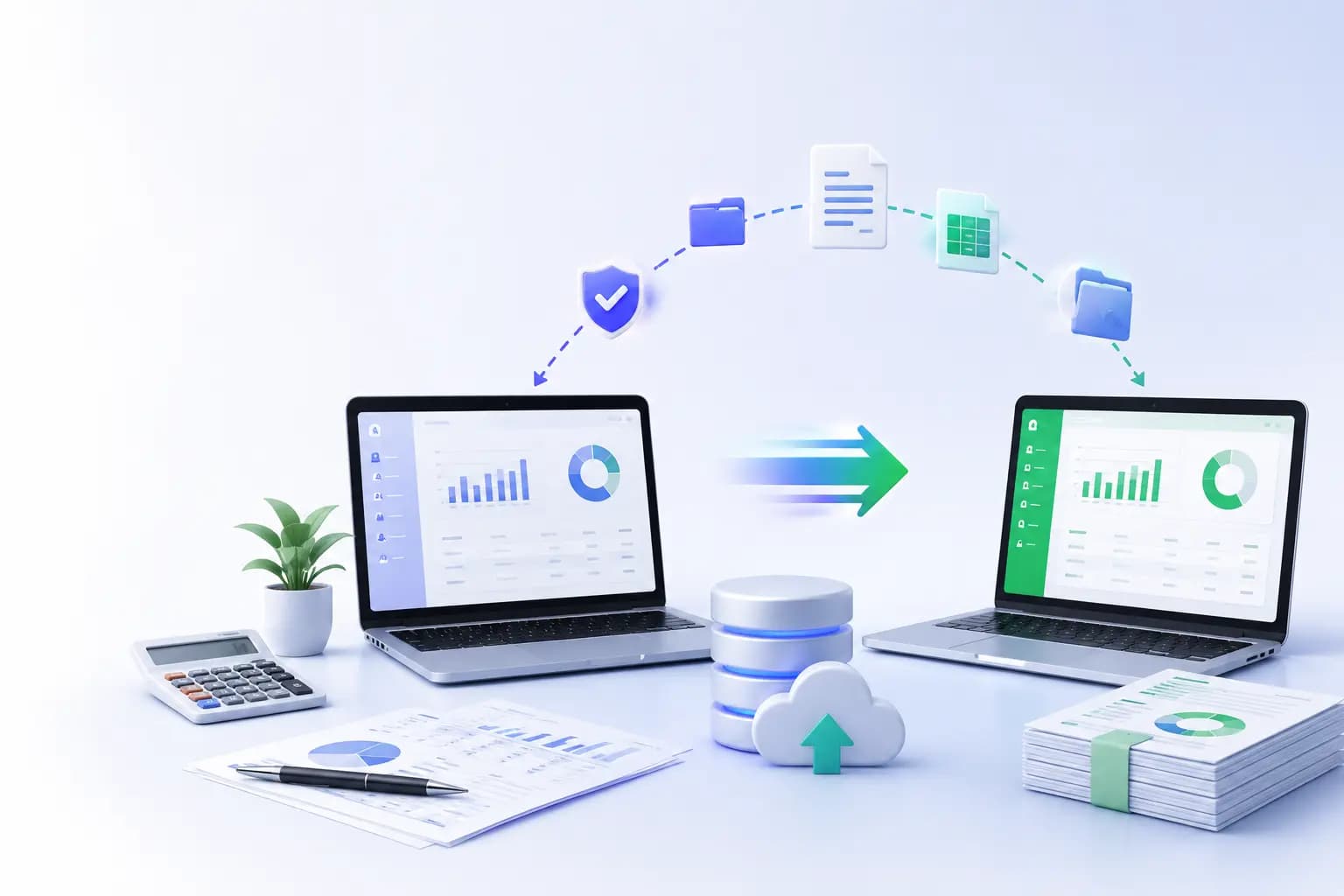
Cloud accounting software is an accounting system hosted online rather than installed only on a company’s own desktop or server. Users log in through a browser or app, while data stays on remote infrastructure managed by the provider.
The difference is easy to notice in daily work. With traditional desktop accounting, access is often tied to a particular device, office network or manually maintained server. A cloud system lets authorised users work from different locations and devices, subject to permissions.
The owner can check receivables by phone, the accountant can review entries on a laptop, and a branch manager can post approved transactions without passing files around.
Why Cloud Accounting Is Gaining Traction in Saudi Arabia
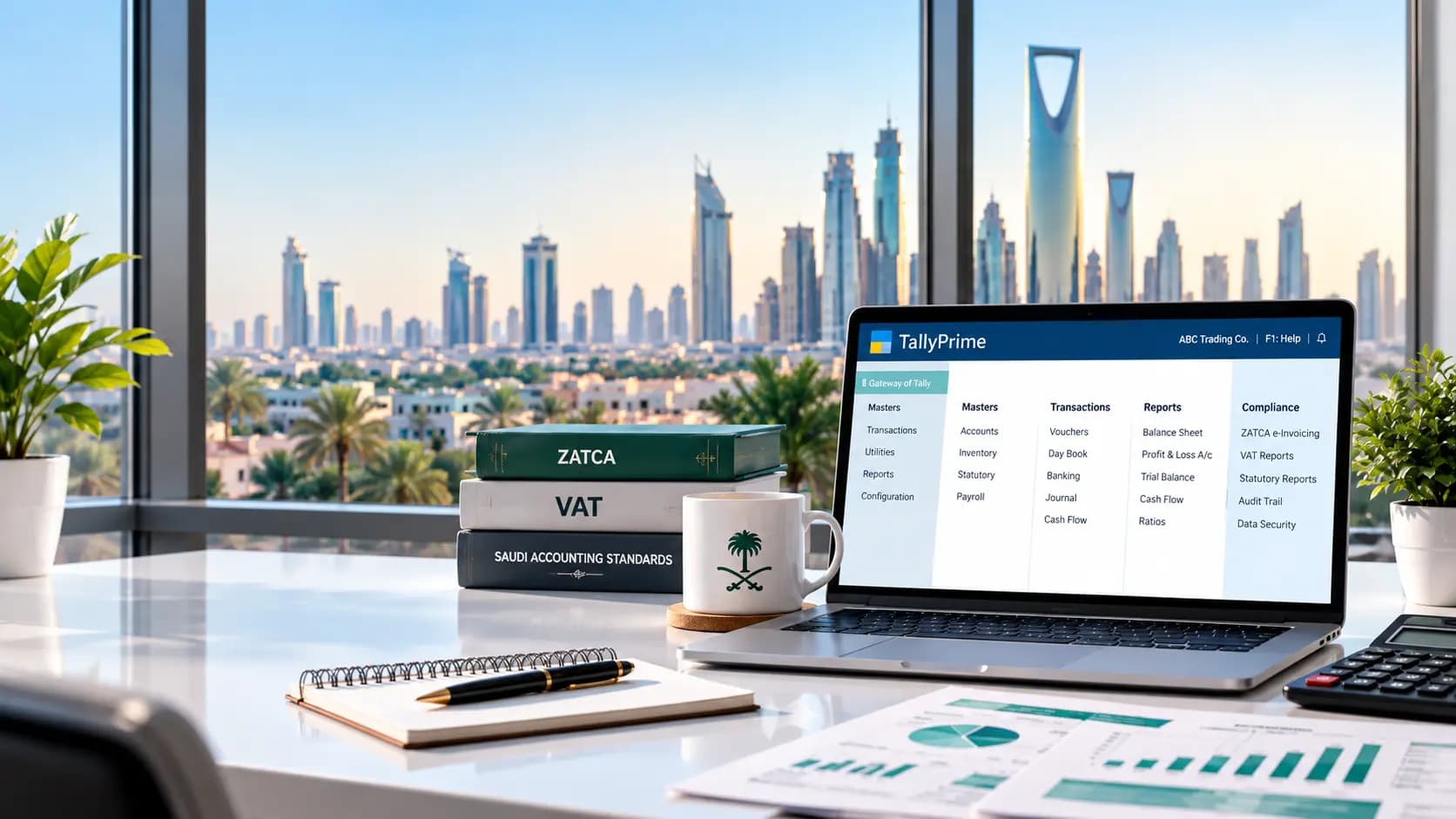
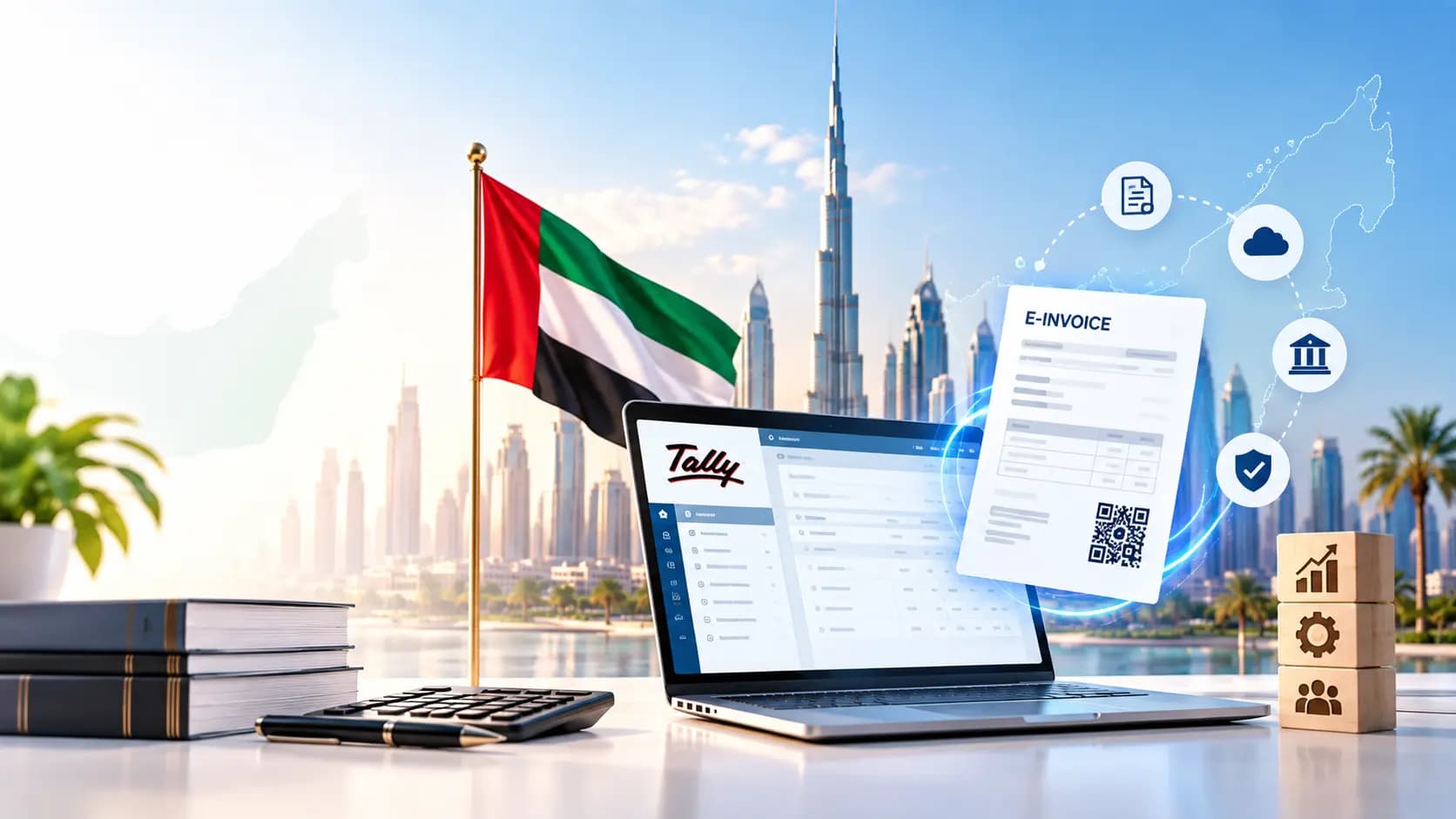
- The strongest reason is compliance. Saudi Arabia’s FATOORAH e-invoicing program is no longer just about generating an electronic invoice. Phase Two is being introduced in waves and requires targeted taxpayers to integrate their e-invoicing solutions with ZATCA’s Fatoora platform, generate invoices in the required format and include additional fields.
- ZATCA’s July 2026 announcement for Wave 25 covered taxpayers whose VAT-subject revenues exceeded SAR 187,500 in 2022, 2023, 2024 or 2025, with integration required by February 1, 2027.
- Cloud systems do not make compliance automatic by magic. They do, however, make software updates, API connections and central configuration easier to manage than separate desktop installations.
- VAT is another reason. Saudi Arabia’s standard VAT rate remains 15% where applicable. A properly configured accounting platform can calculate tax, separate input and output VAT, maintain invoice records and prepare the numbers finance teams need for return filing.
- There is also a broader economic shift behind this choice. Vision 2030 continues to position digital infrastructure, cloud technologies and private-sector growth as part of Saudi Arabia’s economic development. SMEs matter heavily in that picture, and smaller businesses usually need systems that can grow without requiring them to build an internal IT department first.
- Remote and hybrid work added another practical lesson. Finance should not stop because one person is away from the office.
Key Benefits of Cloud Accounting Software
- Real-time visibility is usually the first benefit people notice. Sales, purchases, expenses, bank activity and outstanding invoices can appear in one current view instead of being assembled at month-end.
- Reliable cloud platforms also reduce the amount of local hardware a business must maintain. Backups, software updates and infrastructure management are handled centrally by the provider.
- Cost is often easier to plan. Subscription pricing replaces a large part of the server, upgrade and maintenance burden. As the company grows, extra users, branches or modules can usually be added without rebuilding the accounting environment.
- Collaboration becomes more direct too. Accountants, owners and auditors can work from controlled access to the same records.
- Integration matters just as much. Good cloud accounting software can connect with bank feeds, payroll, inventory, POS, CRM and e-commerce tools. When those links are set up properly, finance teams spend less time re-entering the same transaction in two places.
- For Saudi businesses, the bigger point is that compliance becomes part of the accounting workflow rather than a separate exercise. VAT treatment, invoice fields, document storage and FATOORAH-related processes can be handled closer to the original transaction.
Key Features to Look For
Do not judge a system only because the dashboard looks modern. Check what it can actually handle.
- ZATCA e-invoicing support: It should support Saudi e-invoicing requirements and the technical capabilities needed for the relevant FATOORAH phase.
- Multi-currency and multi-branch accounting: Having features such as multi-currency and multi-branch accounting is crucial for businesses.
- Cloud security: You must ensure that the system has proper security.
- Mobile accessibility: A useful mobile experience should support approvals, invoice checks and management reporting rather than simply shrinking the desktop screen.
The Right Way to Think About Cloud Accounting
Cloud accounting is not simply “accounting software on the internet.” In Saudi Arabia, it sits at the intersection of finance, tax, e-invoicing and day-to-day management.
Better systems remove small interruptions businesses feel every week. It includes waiting for a file, checking which number is current, requesting a report again or comparing branch records manually.
That is where cloud accounting earns its place. Not because the word “cloud” sounds modern, but because the finance function becomes easier to access, easier to connect and easier to control.
FAQs
- What is cloud accounting software?
It is accounting software you access online instead of depending on one office computer or local server. That matters more than it sounds. If the accountant is working from home or the owner is travelling, nobody has to wait for someone in the office to send the latest file.
- Is cloud accounting useful for Saudi businesses?
Yes, especially when more than one person needs access to the same numbers. It also makes sense for businesses dealing with VAT, several branches, remote approvals or e-invoicing requirements. The benefit is not “being in the cloud.” It is having fewer gaps between people and records.
- Can it calculate Saudi VAT automatically?
Yes, when the tax setup is correct. The system can calculate applicable VAT, separate input and output tax and prepare records for reporting.
- Can I check accounts when I am outside the office?
Usually, yes. That is one of the reasons businesses move to cloud accounting in the first place. An owner can check receivables from a phone, while the finance team works on the same records from the office without emailing spreadsheets back and forth.
- Is cloud accounting software secure?
It depends on the provider and the way access is managed. Look at user permissions, backups, encryption and login controls.