Your Business Is Busy, But Is It Profitable? How Software Reveals the Difference
N
Namrata
Author
Published: 24 Nov 2026
Last Updated: 24 Nov 2026
Approx. Read Time: 10 mins
Quick verdict: A busy business isn't necessarily a profitable one. Sales figures will tell you how much money is coming in, but it's the accounting and ERP software that will tell you how much you're actually keeping after expenses.
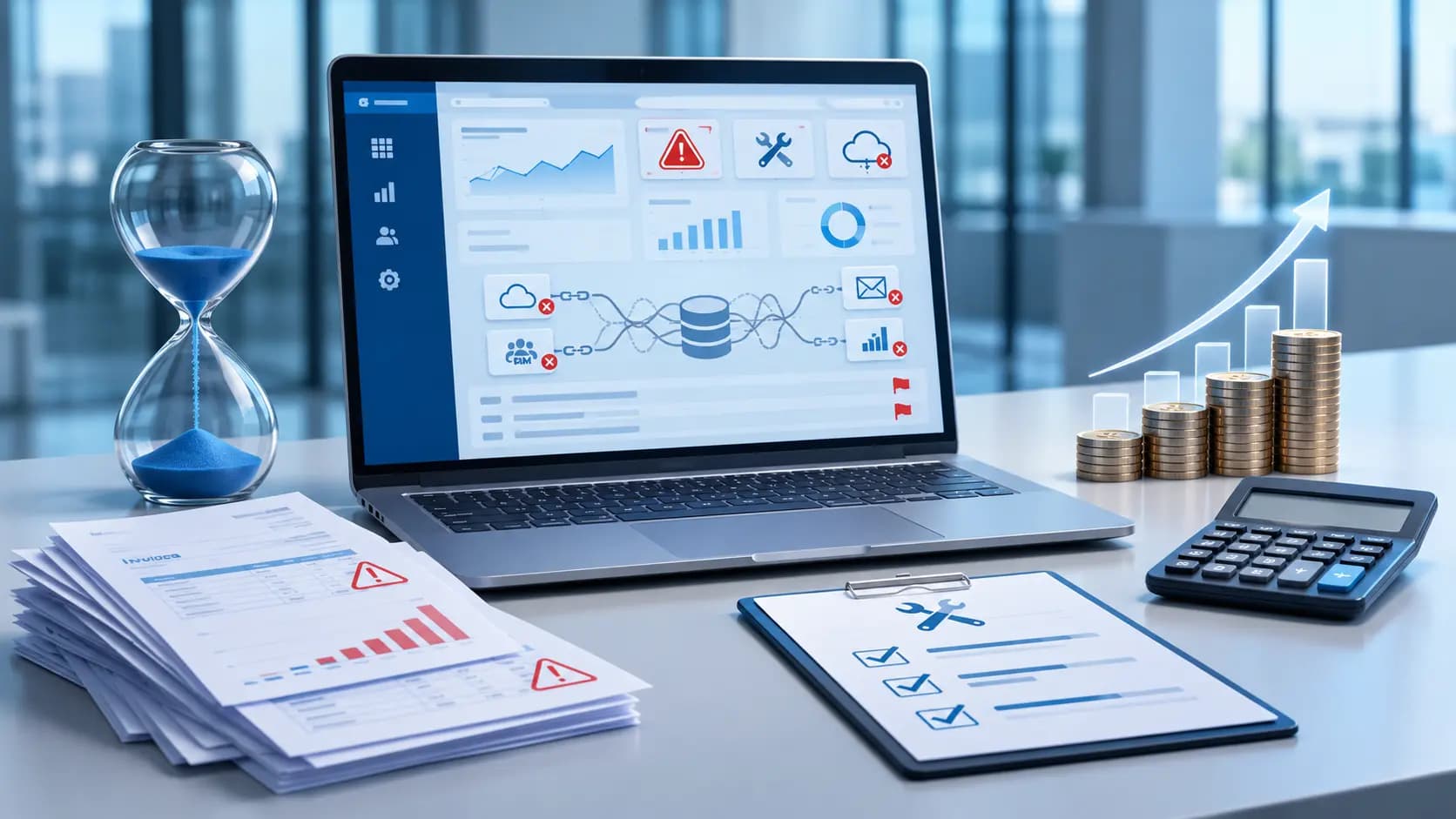
The orders are mounting. The workers are all busy. People are coming back. All the signs are that it's a going concern.
But the bank account tells a completely different story.
A lot of business owners will spend a lot of time looking at their sales, but not at what those sales are actually costing them. Sales don't equate to profitability. The bottom line is going to be determined by the cost of your expenses, your outstanding invoices, your inventory and your general operational inefficiencies.
The real question isn’t how much business you're actually doing. That's the amount you're getting out of it.
Quick Answer
A business can be doing a huge amount of business and yet still not be making a lot of money. High sales don't necessarily equate to healthy profits. Accounting and ERP software will enable you to see where the money is going, uncover hidden costs, track your profit margins and work out exactly how much money your business is actually making once you've deducted all your costs.
Busy Doesn’t Mean Profitable
Fact: Sales are revenue and profit is what's left after you've deducted the costs.
It might sound like a very healthy company on the face of it if you see a company making 500k a month in sales. That's not the full picture when it comes to revenue.
There are three numbers that count here:
Revenue: Income from sales prior to expenses.
Gross profit: The revenue remaining after the cost of goods or services sold has been deducted.
Net profit: The profit after all operating expenses, financing costs, taxes and so on have been deducted.
Suppose you have a company with AED 500k revenue and AED 350k direct costs. That gives you a gross profit of AED 150k. The additional costs come to AED 130k so you're left with AED 20k for anything else.
That's a 4% margin.
There are a few things that can kill your profitability without killing your sales right away:
Products or services that are priced too cheaply.
Regular discounts that compress margins.
Supplier prices are going up and there's no offsetting selling price adjustment.
Rent, salaries and admin are all going up slowly.
Payment defaults from customers. A cash shortage.
Strong revenues are a positive sign. They don't however guarantee healthy margins or sufficient cash.
5 Signs Your Business Is Busy Yet Not Profitable
Quick check: If sales are up but the financial pressure is the same, look beyond the sales figures.
1. Sales are strong but cash is always tight
Invoices have been issued but no payment has come in. The salaries, the supplier bills and the running costs are still due.
A business can be profitable and yet run out of cash entirely if it collects slowly.
2. You Do Not Know Which Product or Client is More Profitable
Some customers generate a lot of revenue, but at the expense of very expensive deliveries, a lot of extra support or a number of discounts.
If the costs aren't properly allocated then it's very difficult to work out which of your customers are actually profitable.
3. Month end reports are late
Management can't make decisions in a timely manner if the financial reports take weeks to get together.
You can be one month into spending money you don't need before you even see the expenses.
4. Higher Costs, Same Selling Prices
Ramp supplier costs, freight costs and employee costs all go up slowly. If selling prices are fixed then sales volume will go up but the margins will fall.
5. Everyone Comes Up With Different Profit Numbers
When sales, accounting and operations calculate profitability they may be working off different records.
Inconsistent numbers are usually a symptom of inconsistent data, incomplete cost allocation or non-standard reporting.
Where Profit Leaks Quietly
The reality is that some of the costs do have an impact on profitability and don't appear as separate losses in the normal sales reports.
Unallocated and Hidden Costs
It's so easy to miss the labour hours, the freight charges, the damaged materials and the rework.
A project may look profitable on the basis of the cost of materials alone. If you throw in the time of your staff, the cost of transport and the cost of all the unforeseen corrections it could well be a lot less than that.
Inefficiencies in inventory and purchasing
Excess inventory ties up working capital and there are storage costs.
Another issue is stock shortages. Companies could end up paying more for emergency purchases or simply lose the business.
If the buying teams aren’t regularly checking costs then supplier price increases can also have an impact on margins.
Manual Processes & Data Silos
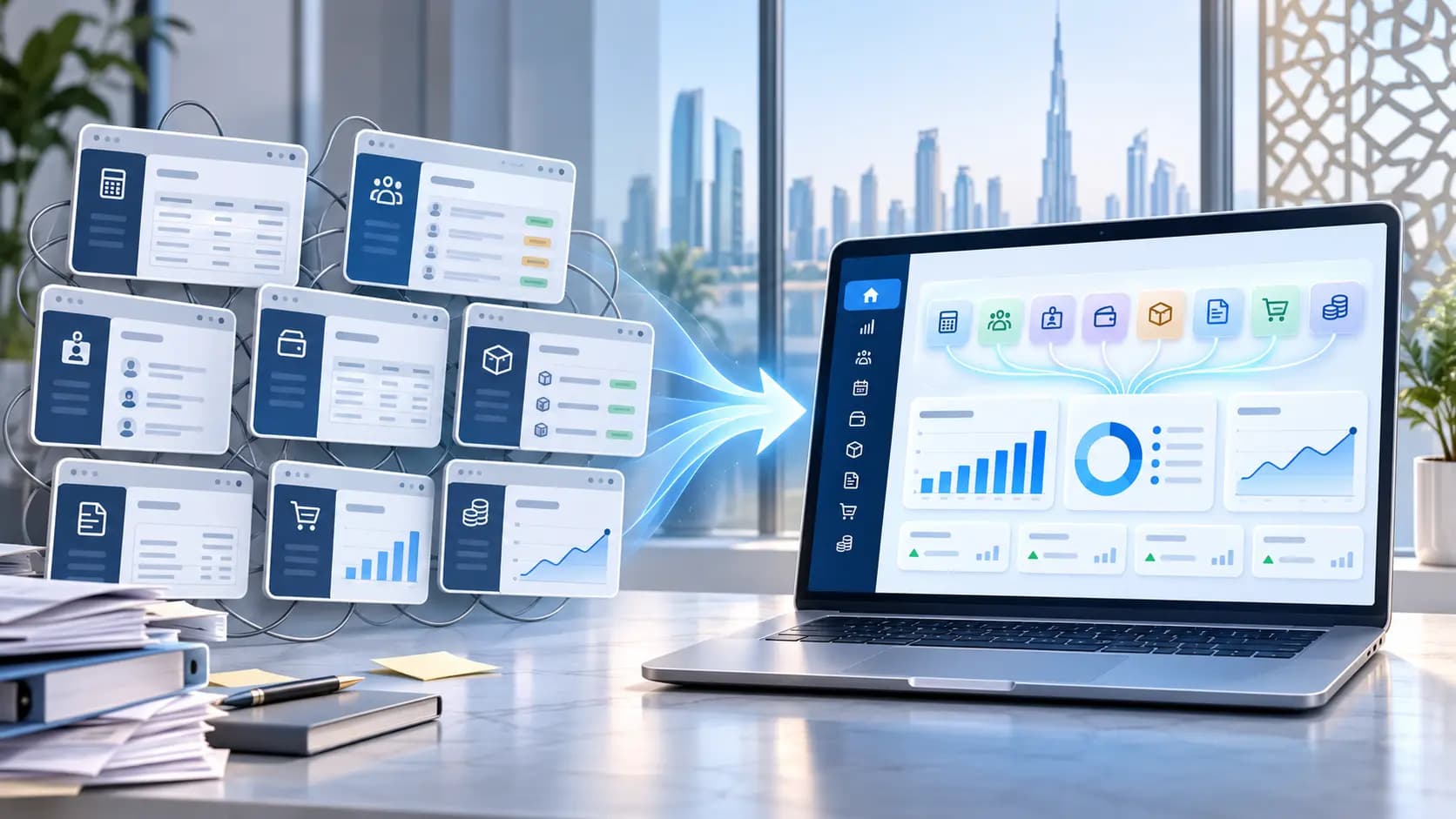
You frequently have different versions of the same info in different spreadsheets.
Staff are forced to re-enter transactions over and over again, manually reconcile the figures and correct the inevitable errors.
These activities take up working hours and delay the timely production of accurate financial statements.
Accounting software can help you to show your real financial position.
Quick Verdict: Accounting software will help you track your financial performance by keeping all your transactions, expenses, payables and reports in one place.
Financial Reports Without Reconstructing Spreadsheets
Accounting software can take the transactions that have been recorded and produce the various profit and loss statements, balance sheets and cash flow reports.
Business owners can go and have a look at their financial performance via the timely entries rather than having to wait for the manually prepared summaries.
Quicker Bank Reconciliation
Bank reconciliation is the process of matching the books to the bank statement.
Software which provides the bank feed and matching functionality removes the need for manual checking and helps to identify missing entries, duplicate transactions and any unexplained differences.
Improved Receivables Control
Receivables ageing reports will show the outstanding invoices, grouped by the length of time they've been outstanding.
Businesses that are having a cash flow problem will be focusing on chasing up their overdue invoices rather than looking for late payments.
Tracking Budget vs. Actual
A budget is a statement of what is expected to be spent. The actual reports will show what has in fact been spent.
Comparing the two figures enables management to spot which departments are running over budget and to identify any unforeseen expenditure.
How ERP Goes Beyond: Profiting by Product, Customer and Project
Enterprise Resource Planning (ERP) software is a single integrated system that brings together the key business functions of accounting, sales, inventory, purchasing and operations.
Similarly, accounting software will tell you about the financial results. ERP can help to explain the operational activity which underpins those results.
True Product and Project Costs Defined
The correct costings modules can enable the ERP to calculate the cost of materials, labour, production and allocated overheads.
This allows businesses to see actual margins rather than just selling prices and purchase prices.
Compare Profitability By Operation
Once the requisite transactions and cost allocations have been recorded, management can then look at margins by product, by customer, by project or by branch.
A high revenue customer may in fact be less profitable than a small customer that's cheaper to service.
Enhance Inventory Valuation
ERP links the inventory transactions to the purchasing and finance information.
A defined valuation method will help a business to value its inventory and calculate its cost of goods sold in a more consistent manner.
But accurate reporting is still entirely dependent on proper stock entries, correct costing rules and up to date transaction records.
What to look for in software
Buying tip: Buy the software that answers the financial questions your business actually needs answered rather than the software with the most features.
Before choosing accounting or ERP software, consider these features:
Real time dashboards:Real time view of revenue, expenses, margins and outstanding payments with the ability to drill down into the underlying transactions.
Operational integration: Links accounting to sales, purchasing, inventory and the other associated business processes.
Scalability: Ability to support growth in terms of users, branches, transaction volumes and reporting requirements as the business grows.
UAE compliance: Request UAE VAT reporting, appropriate tax records and associated Corporate Tax reporting support.
Ease of use. Employees should be able to understand the day to day workflows without needing a lot of technical assistance.
Implementation support: The correct configuration, data migration and training of the staff will go a long way to prevent reporting errors.
Cloud access: Cloud access and permissions are governed by role based controls which restrict access to sensitive financial data and allow only the appropriate employees to access the data they need.
A good reporting system won't fix the underlying profitability issues if staff enter the data incorrectly or if management simply ignores the reports.
Conclusion
Final Verdict: It's far easier to manage profitability if you as a business owner know where your revenue is coming from, where your money is going and where the returns are going to be worthwhile.
Busy operations are a sign of demand, but don’t necessarily equate to financial success.
Accounting software gives you a view of the financial performance. ERP takes that and links it to the operational decisions that are actually driving the performance.
For businesses in the UAE, the conclusion is simple. Catch shrinking margins early, control unnecessary costs, get paid on time and make decisions based on reliable financial information.
More sales are helpful. Or better yet, know what those sales actually make.
FAQs
Why does my business make good sales but little profit?
High sales don't necessarily mean you're making a good return on your investment. Your costs could be rising just as fast as your sales. Supplier costs, salaries, discounts, delivery charges and all the other overheads can be a drain on your profits. The only way to know what's really going on is to compare your revenue against your actual costs and your profit margins.
How do I know if my business is actually making a profit or not?
Start with your profit and loss statement (it tells you your revenue, what you’ve spent and what your profit is). You also need to be keeping a close eye on your gross and net profit margins. Accounting software can help you with all of this by keeping your accounts in order and producing the reports for you without you having to do all the arithmetic.
Can a business be profitable and yet have cash flow problems?
Yes and far more frequently than most business people realise. You may have made some profitable sales but if those customers haven’t paid their invoices then that money isn’t available to cover your costs. Rent, salaries and supplier payments can’t just be put on hold. It's just as important to monitor your unpaid invoices and cash flow as it is to monitor your profits.
How does ERP software assist in the identification of hidden costs within a business?
ERP software links the data from purchasing, inventory, sales, accounts and all the other departments together. That makes it far easier to spot the costs that you might otherwise miss. A project may look very attractive on the surface but if you then throw in the cost of labour, the cost of transport and all the other material costs it may not be as profitable as it first appears. ERP enables the business to see those costs and work out a more realistic margin.
Related Articles
Explore more insights, ideas, and practical knowledge from our latest writings.
We work with our global presence and keep our advice practical, response times reasonable, and provide solutions that are aligned with the way local companies operate each day.
Market Context
Deep knowledge of UAE rules and expectations.
Trusted Network
Working connections across businesses, sectors, and communities.
Local Assistance
We have a local team that answers clearly when something genuinely needs attention.
UAE Presence
Our team works from the UAE, supporting companies that keep its economy moving.