Accounting Software for Paper & Packaging Companies
Morgan
Senior content writer
Wed Dec 10 2025
Get in touch with us
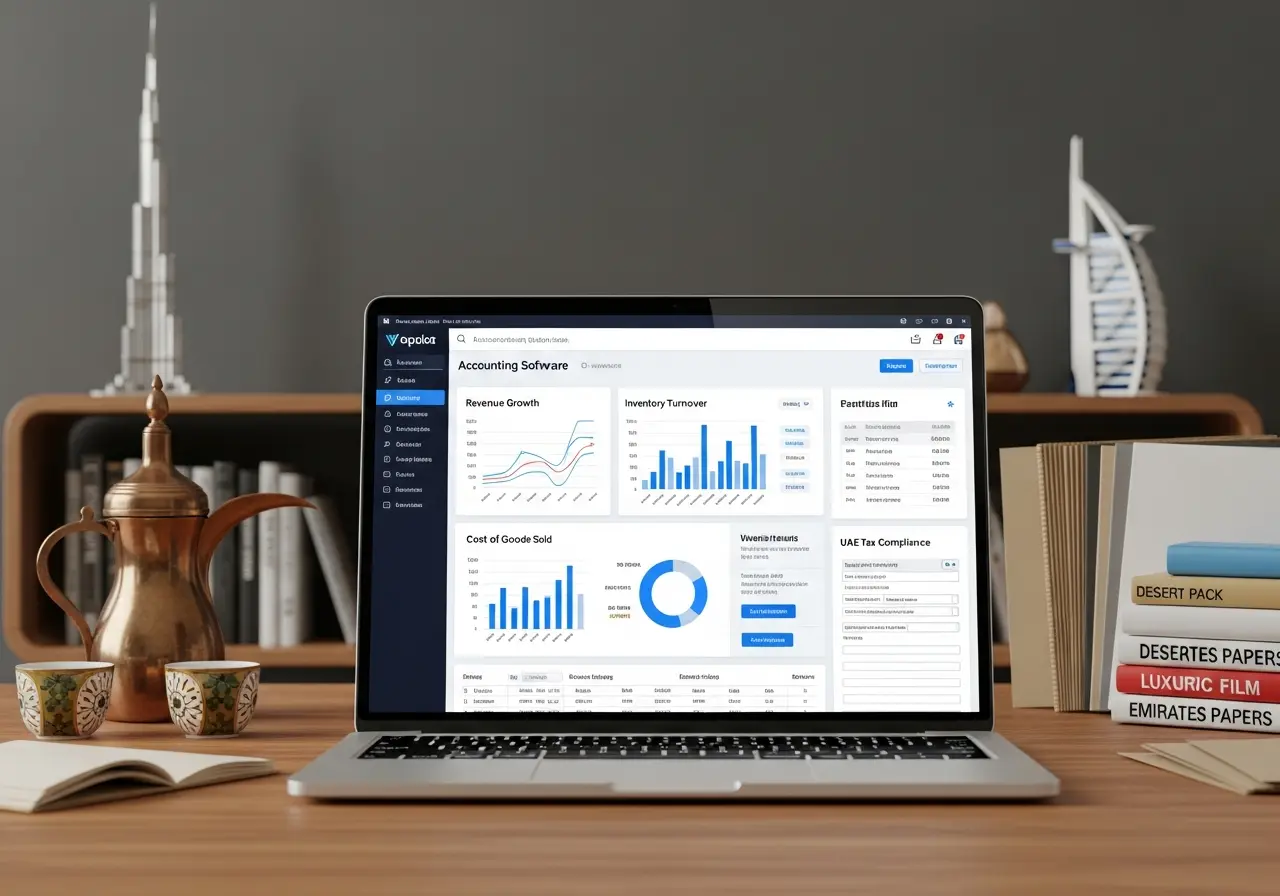
Something as old-school and hands-on as paper mills and packaging plants actually runs smoother when its books are as smart as its machines. That's why the best accounting software in the UAE</strong
>, the one that is built or configured for the paper and packaging world, isn't just a “nice to have”. It's totally a game-changer. It helps you keep raw material use, production cost, inventory, and cash flow all visible in one place. And in the razor-thin margins and complex supply-chain realities of packaging, that kind of clarity matters more than ever.
What exactly are “Paper & Packaging Companies” and how do they operate
Paper and packaging firms take raw materials (like wood pulp, chemicals, recycled fibres), turn them into paper sheets or rolls, and then often process those into packaging products, corrugated boxes, cartons, paper bags, industrial packaging, etc. They run a multi-stage production: from pulping and sheet formation to cutting, printing, folding, and packaging.
Such firms constantly
manage inventoryof raw pulp, semi-finished sheets/rolls, and finished goods. They track work-in-progress, account for labour, machine usage, and utilities. In this industry, production is heavy on materials and energy.
Because of these layers, raw material sourcing, processing, multiple inventory states, packaging conversion, and shipping, overall handling accounting manually becomes error-prone and opaque. That's why the
Paper industry billing and invoicing software has become indispensable.
The problem with traditional bookkeeping in paper & packaging businesses
When you run a paper or packaging operation, your business is more than just about buying paper or cartons. It's a choreography of raw materials, production runs, roll conversions, inventory, orders, deliveries, invoices, taxes, and whatnot. Traditional accounting tools or Excel sheets might give you basic financials, but they rarely reflect the fluid, instant reality of manufacturing and distribution.
Tracking inventory: Here, everything including raw material to finished rolls, work-in-progress, and finished goods move very fast. So, without proper tracking, you may risk overstocking or stockouts, both of which can erode your normal margins.
Costing complexity: Every batch may have different costs depending on raw materials, labor, overhead, waste, rework, and packaging format.
Cash flow and receivables and payables: Invoices, supplier payments, customer payments, if these are managed manually or on generic accounting systems, errors, delays, or mismatched records can destroy your hard work.
Compliance & reporting: with tax laws, VAT (or local tax regimes), goods movement, manual bookkeeping easily ends up messy, especially with changing regulations
Control Production and Inventory Costs
Track raw materials, finished goods, and wastage in real time. Improve accuracy and reduce cost leakage.
Why manufacturing-class accounting software makes a difference
What a
Packaging company financial management system actually does is bring everything, including materials, production, inventory, sales, and finance, under one system. That unified view transforms how you manage, analyse, and predict your business.
Instant inventory visibility & control: Reliable software tracks raw materials, semi-finished, and finished goods. Which means the moment any kind of production happens or stock moves, inventory can update automatically. You neither need to over-order raw materials nor risk delays due to stockouts.
Accurate cost accounting: Direct costs (like raw materials, labor) and indirect costs (overheads, energy, waste, depreciation) - you can record everything. This gives a true view of cost per batch, or per roll, so pricing becomes smarter and margins more transparent.
Production tracking & order-to-cash linkage: You can track using Inventory and accounts software for packaging businesses, everything from job orders to finished products to invoicing and payment tracking. This means when production, inventory, and sales are linked, finance will reflect reality immediately. It reduces the mismatch between what you make and send, and what you get paid.
Better accounting & compliance: Built-in financial modules can help you capture every transaction. That really matters especially when the UAE regulations demand clean reports.
Improved decision making & planning: If you have proper visibility over inventory, costs, sales, and cash flow, you can forecast demand, control material procurement, schedule production strategically, and decide when to scale or adjust.
Real benefits: what companies see after switching
Significant reduction in manual bookkeeping errors: You can enjoy fewer mismatches between inventory and finances, and fewer lost invoices or untracked stock.
Better cash flow management: Because invoices, receivables, payables, and production costs all get tracked and matched properly, you can see the original change.
More strategic purchasing and production planning: Avoiding overstock and stockouts, lowering waste, optimizing material ordering, helps you manage better.
Improved profitability visibility: A paper & packaging production expense management tool lets you know exactly what each batch costs. It means you can price correctly or decide what to produce or discontinue.
Faster & clearer reporting: Financial statements, inventory reports, cost reports, profitability analyses, all are now derived automatically rather than compiled manually.
Automate Billing and Job Work Accounting
Generate invoices, manage vendor payments, and handle job work calculations without manual errors.
What these solutions look like for paper & packaging
Generic accounting systems are often fine for small retail or service businesses, but packaging or manufacturing demands more. That's where industry-specific
Manufacturing cost tracking for paper and packaging systems shines.
For example, a system that is built for paper and packaging: it handles raw-material tracking (like pulp, paper rolls, sheets), tracks finished goods (rolls, sheets, boxes), monitors stock levels, integrates production operations with finance and inventory, and supports scheduling and cost-mapping just like your plant works.
Such systems also help to reduce waste, including material and time. They also assist in maintaining consistent production runs, better utilization of plant capacity, and fewer stock imbalances.
And on the business side, managing billing, invoicing, taxes, compliance, and profitability analysis all become far simpler, more accurate, and transparent.
What to watch out for
Switching from spreadsheets or basic accounting tools to a full-fledged manufacturing accounting system doesn't happen overnight. There are trade-offs, which you must plan for.
Implementation cost and effort: Customizing accounting for a packaging operation, training staff, and mapping your workflows all take time and resources.
Change management: People accustomed to old processes may resist changes. So, getting everyone on board and ensuring correct use is critical.
Complexity: If you choose a solution that's too generic or not well-tailored to packaging, it might lack features or force you to modify processes unnaturally.
As a solution to your problems, we are here at
Penieltechwaiting for you. Contact us today to get the best accounting software in the UAE that matches your work processes.
Related Articles
Explore more insights, ideas, and practical knowledge from our latest writings.